Master actionable strategies to quantify, specify, and reduce embodied carbon in structural steel projects without compromising structural performance.
Low-carbon design is becoming an increasingly important consideration in Canadian construction projects as embodied carbon requirements move from sustainability initiatives into procurement and project delivery frameworks. Structural engineers are now expected to consider not only strength, serviceability, and constructability, but also the carbon impacts associated with material selection, fabrication methods, and procurement decisions. As public and private sector clients place greater emphasis on emissions reporting and reduction targets, embodied carbon is becoming a key project performance metric.
This course examines practical approaches to designing and specifying low-carbon steel structures in Canada. Participants will explore how embodied carbon can be assessed using Environmental Product Declarations (EPDs), how material-efficient design strategies can reduce emissions without compromising performance, and how procurement and specification decisions influence project outcomes. The session also considers emerging low-carbon steel supply options, reuse opportunities, and lifecycle assessment approaches, providing a practical framework for integrating embodied carbon considerations into everyday structural engineering practice.
Key Topics Discussed:

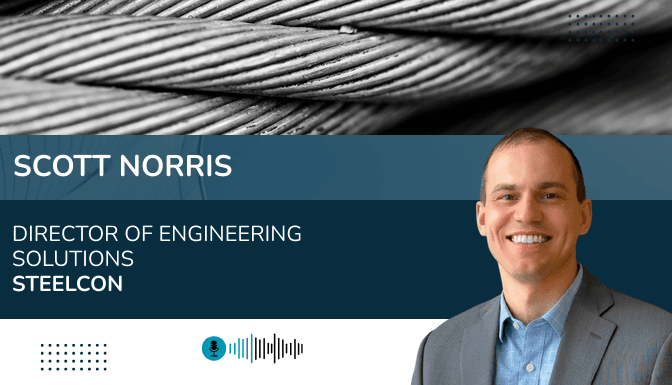
Director of Engineering Solutions | Steelcon
Scott Norris, P.Eng., is the Director of Engineering Solutions at Steelcon, where he is dedicated to driving innovative structural steel engineering solutions for complex construction projects. A licensed Professional Engineer with Professional Engineers Ontario, he brings expertise in structural design, project delivery, and engineering collaboration, helping clients deliver efficient, practical, and high-quality outcomes across the built environment.
